

Cart 0
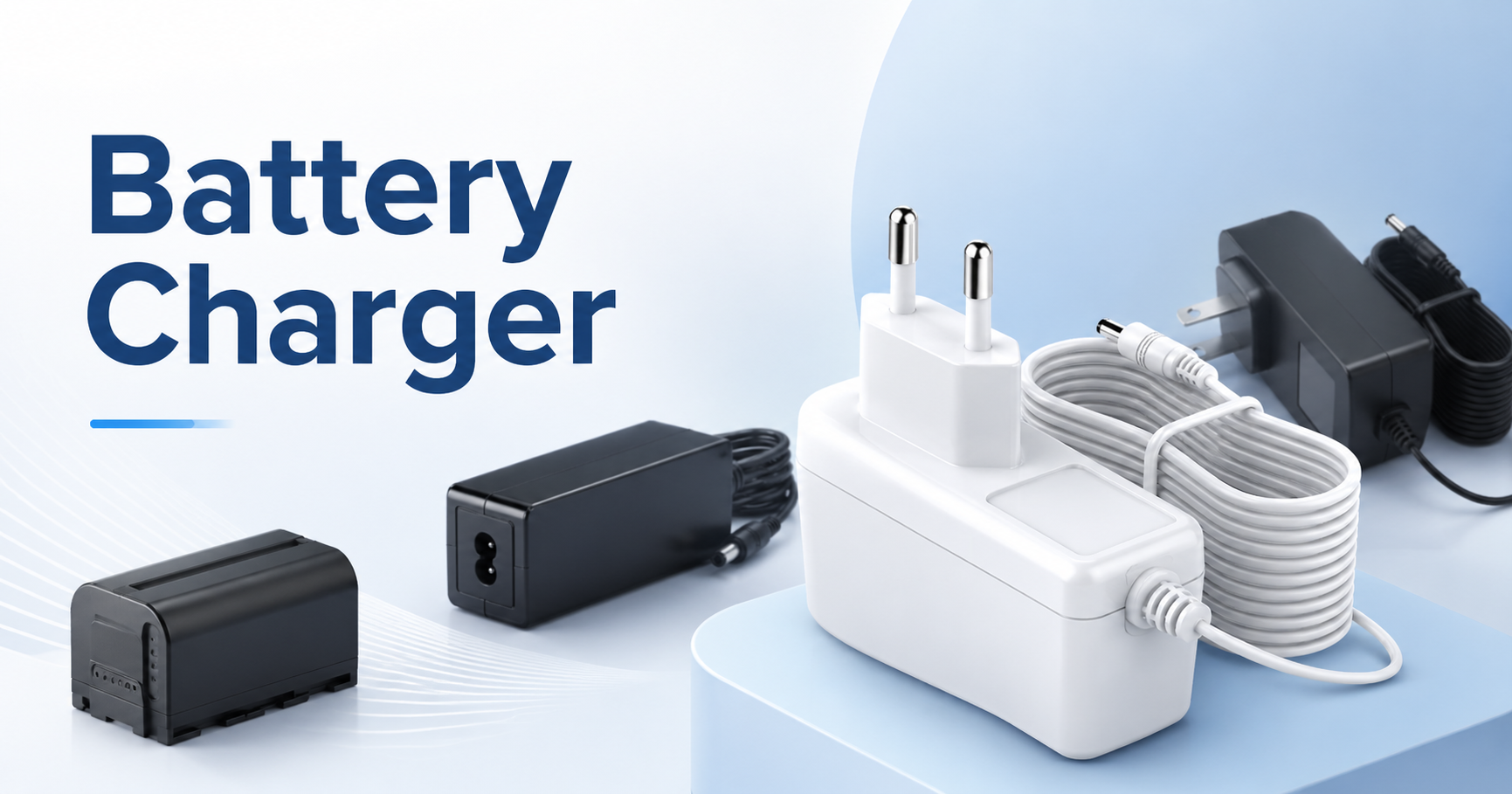
Battery Charger: Complete Guide to Efficient Power Solutions
These days, gadgets are becoming more and dependent on uninterrupted power supply. A battery charger is an essential accessory that allows users to maintain and recharge their batteries. A charger is one of those electronic devices which helps us maintain the performance of the device whether it’s a phone, laptop, electric tool, or vehicle.
Having knowledge on how a Battery Charger works, users can save battery usage and improve efficiency. Various chargers adapt their functionalities in unique ways. Some are designed for rapid charging, while other achieve longer battery life. The performance of devices can benefit from the choice of a compatible charger.
With battery-operated device usage on the rise so too is the need for smarter charging. It includes basics, features, a comparison, and practical tips the importance of battery chargers in our life and how it affects us is given.
Significance of a battery charger
A Battery Charger is an electronic device replenishes energy to a battery. It regulates the current and voltage flow to allow safe charging. The battery can still be utilized thanks to it.
The health of a car’s battery depends a lot on having a battery charger in the car. If you charge and use batteries correctly, you can prevent damage and potentially extend their lifetime. Using the wrong charger can lead to overheating or underperformance.
| Feature | Modern Battery Charger | Basic Charger |
| Charging Speed | Optimized speed | Standard speed |
| Safety Features | Advanced protection | Limited protection |
| Efficiency | High efficiency | Moderate efficiency |
| Battery Life Impact | Extended lifespan | Reduced lifespan |
Main Characteristics And Varieties Of Battery Charger
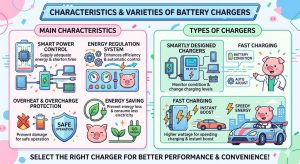
Battery chargers have various features that improve the performance of their chargers. Users may choose the appropriate charger.
What is its charging speed?
Current chargers automatically control the power level. This method supplies those batteries with adequate energy. It enhances efficiency and shortens charging time.
Types of battery chargers
Several chargers come with different uses. Depending on the use and equipment, the right type can be chosen.
Smartly designed chargers
Smart chargers monitor the condition of the battery. They change the charging levels to over-charge or over-heat.
Fast charging
Fast-charger provides higher wattage for speeding charging. That are ideal for those consumers requiring an instant energy boost.
The following are some essential features.
- Energy Regulation System.
- Different ways to charge.
- Sulphur dissolved Protection.
- Works with any device.
Overheating and overcharging. It is to ensure safe operation.
Saving Energy
Efficient chargers prevent energy loss. They consume less electricity and perform better.
Charger and Other Rechargeable Battery System
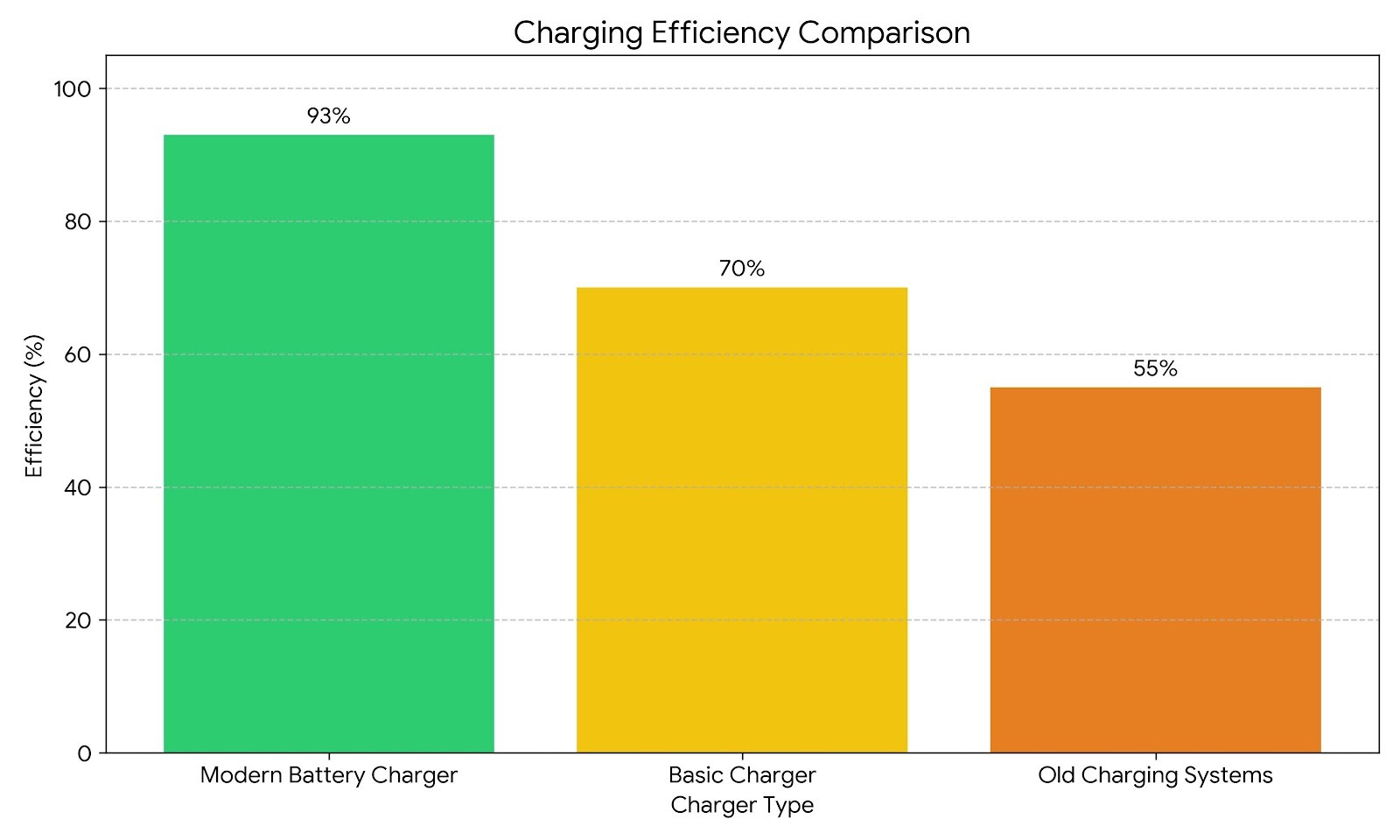
- Battery Charger provides 93% efficiency. This translates to the device receiving the most power available with very little power being wasted in heat.
- Modern technology sees a 38% improvement over the older technology. The efficiency of previous charging systems is evaluated at 55%.
- Today’s chargers are capable of giving you high-speed charging so that you can spend less time plugged into the wall.
Final thought
A battery charger is a handy device that keeps the gadget of our time running. The device charges effectively and safely. Modern chargers offer advanced features and enhanced performance in order to facilitate user experience.
Once you learn about their benefits and features, you will be able to decide more effectively. With Shenzhen Sunray Technology Limited, modern charging devices are safer, more efficient, and make any setup more convenient.
Having an appropriate charger optimizes the battery life and efficiency of a device. As technologies evolve, battery chargers are important in our life and will always be important.
Continue researching
Questions readers usually ask next
Discover how a battery charger works, its types, features, and tips for efficient, safe charging to improve battery life and performance.
Planning points worth checking early
These notes are here to make the next comparison or sourcing step more concrete.
What this clarifies
Use the article to narrow the next technical or sourcing question instead of staying broad.
What to compare
Check the closest related product family, requirement, or compliance route next.
When to ask
Move into contact or quotation once the issue is specific enough to affect feasibility or timing.
Keep comparing options
These references help visitors move into the most relevant next comparison or conversation.
01
Battery Charger Manufacturer
See how battery charger manufacturer supports the next product, sourcing, or factory-planning decision.
02
Battery Charger
Compare product options, narrow the right format, and move into the next selection step with clearer context.
03
Request a Quote
Share the project scope, target markets, and volume expectations to move into a practical quotation discussion.
04
Contact Us
Reach the team directly for technical questions, sampling requests, and sourcing follow-up.
Questions readers often ask next
Each answer is written to help the next decision feel more concrete.
Why do readers usually look for this topic before sourcing decisions?
Because Battery Charger usually affects specification choices, supplier conversations, or the way risks are compared before a program moves into sampling or volume planning.
What detail should be clarified next after reading about Battery Charger?
The next useful step is usually to define the requirement that will affect feasibility most, such as output level, destination market, safety path, connector format, or packaging direction.
Is this topic more useful for engineering, sourcing, or product teams?
It is often useful across all three because the strongest launch decisions usually come from aligning technical fit, commercial requirements, and timeline expectations instead of treating them separately.
When should someone move from reading to requesting a quote or technical review?
That usually makes sense once the key questions are focused enough to influence feasibility, approval timing, sampling scope, or pricing, even if every detail is not finalized yet.
Need help turning this reading into a product decision?
Share the application, target output, and destination markets if the article has narrowed the next discussion enough to review practical options.