

Cart 0
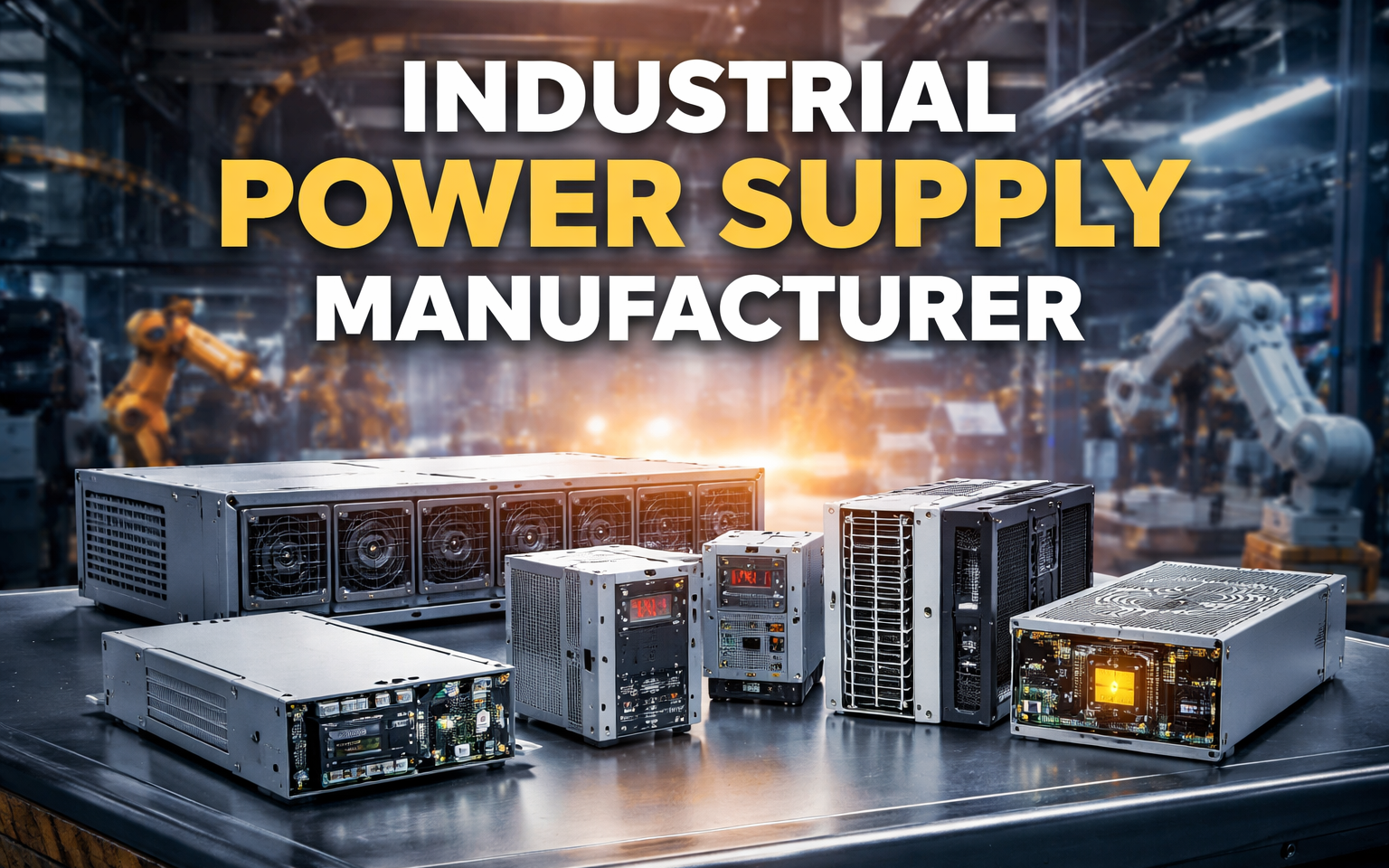
Industrial Power Supply Manufacturer: Powering Reliable Industrial Operations
The manufacturer of industrial power supply manufacturer is a provider of power supplies meant for factories, plants and similar places in large quantity. Gear intended for industry either runs on AC or a special type of DC power that’s able to handle heavy loads with stable output and safety compliant. Industrial-grade power supplies endure rough conditions of extreme temperature, vibration and electrical fluctuations. Consumer-grade power supplies don’t do that.
A good manufacturer can help you get consistent quality, regulatory compliance, and longer support. As automated operations and intelligent manufacturing grow, the need for powerful industrial solutions has grown.
In this article, we will cover the main points regarding Industrial Power Supply manufacturing, technical specifications, quality standards and tips on how to choose the right manufacturer.
Comprehending Industrial Supply Manufacturing
Engineered for durability, performance, and safety, industrial power supplies.
Essential Traits
This device maintains a steady output voltage and current to avoid harm to the equipment which is connected.
- Designed to withstand vibrations, temperature changes and dust.
- Meeting of safety and quality standards like UL, CE and IEC.
Why Find a Reliable Manufacturer
- It is good to work with experienced manufacturers.
- Ensuring product quality consistency between batches.
- Access customized solutions that meet specific industrial needs.
- Technical support and troubleshooting services.
| Feature | Industrial Power Supply | Consumer Power Supply |
| Load Capacity | High | Low to Medium |
| Safety Certifications | UL, CE, IEC | Limited or none |
| Durability | Extreme conditions resistant | Moderate |
| Reliability | Continuous industrial use | Occasional use |
Finding the right manufacturer will help ensure the safe and efficient operation of industrial systems without unforeseen downtime.
Consideration of Technical and Design Issues
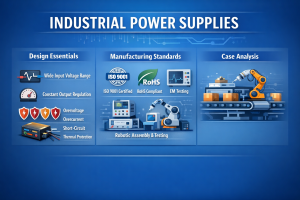
Essential Elements of Design
- Industrial power supplies are made according to exacting engineering specifications.
- The range of input voltage is suitable with the electrical networks used in industry.
- Effective regulation of output constant voltages with varying loads
- Protection features include overvoltage, overcurrent, short-circuit, and thermal protection.
Manufacturing Standards
- Compliance with ISO 9001 quality management.
- RoHS compliance for harmful substances.
- Testing compatibility with EM waves.
- Testing to ensure long-term reliability in thermal and endurance.
Complex manufacturing methods, such as robot assembly and product testing, improve defects and product life.
Case Analysis
A manufacturing plant required power for a high-speed conveyor plant.
Equipment failure due to unstable power sources
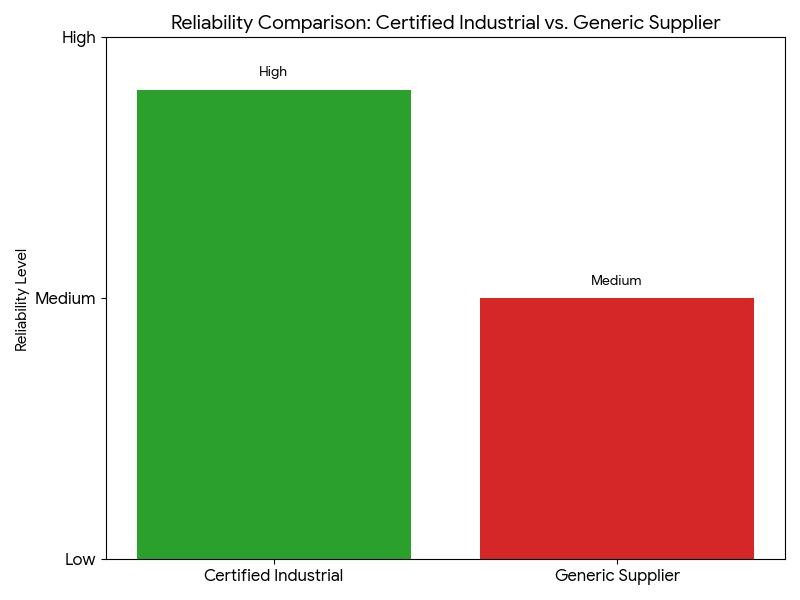
Collaborate with a certified industrial power supply manufacturer.
- “Certified industrial manufacturers have a reliability score that is significantly higher than generic suppliers, falling into the High tier.”
- A high acceptable quality level (AQL) score means the certified manufacturers apply stricter test procedures and use better quality components.
- The use of certified industrial equipment can mitigate risks associated with sudden equipment failure and long-term stability.
Advice for Choosing the Right Manufacturer
Selecting suppliers that have an industrial experience would help you evaluate the experience of the manufacturer.
Additional Consideration
- Warranties and service contracts.
- Custom-made solutions available for specialized applications
- Technical Assistance & Responsiveness of Supplier
- Components with long-term stability and durability
Choosing an accredited manufacturer reduces operational and power supply risks.
Final thoughts
A manufacturer of industrial power supply ensures that industrial plants remain reliable, efficient, and compliant. With Shenzhen Sunray Technology Limited, high-powered industrial power supplies deliver robust output, long durability, and certified safety standards.
When you partner with a manufacturer with experience, you get access to custom solutions and solid technical support. Most importantly, your operations can count on enhanced reliability in the long term. For factories, plants and automated systems, a certified industrial power supply will ensure constant production and protect equipment while improving operational efficiency.
Selecting a supplier for a product isn’t just about the product. It’s also about the safety, performance, and longevity of your industrial process.
Continue researching
Questions readers usually ask next
Choose a trusted industrial power supply manufacturer for stable performance. Get durable solutions designed for demanding environments.
Planning points worth checking early
These notes are here to make the next comparison or sourcing step more concrete.
What this clarifies
Use the article to narrow the next technical or sourcing question instead of staying broad.
What to compare
Check the closest related product family, requirement, or compliance route next.
When to ask
Move into contact or quotation once the issue is specific enough to affect feasibility or timing.
Keep comparing options
These references help visitors move into the most relevant next comparison or conversation.
01
Industrial Power Supply Manufacturer
See how industrial power supply manufacturer supports the next product, sourcing, or factory-planning decision.
02
Quality Control & Testing
See how inspection routines, verification points, and reliability checks support repeatable production decisions.
03
Request a Quote
Share the project scope, target markets, and volume expectations to move into a practical quotation discussion.
04
Contact Us
Reach the team directly for technical questions, sampling requests, and sourcing follow-up.
Questions readers often ask next
Each answer is written to help the next decision feel more concrete.
Why do readers usually look for this topic before sourcing decisions?
Because Industrial Power Supply Manufacturer usually affects specification choices, supplier conversations, or the way risks are compared before a program moves into sampling or volume planning.
What detail should be clarified next after reading about Industrial Power Supply Manufacturer?
The next useful step is usually to define the requirement that will affect feasibility most, such as output level, destination market, safety path, connector format, or packaging direction.
Is this topic more useful for engineering, sourcing, or product teams?
It is often useful across all three because the strongest launch decisions usually come from aligning technical fit, commercial requirements, and timeline expectations instead of treating them separately.
When should someone move from reading to requesting a quote or technical review?
That usually makes sense once the key questions are focused enough to influence feasibility, approval timing, sampling scope, or pricing, even if every detail is not finalized yet.
Need help turning this reading into a product decision?
Share the application, target output, and destination markets if the article has narrowed the next discussion enough to review practical options.